
You fall asleep with a good seal, but sometime in the night you roll onto your side or stomach and wake up to air blowing across your eyes, a hissing sound, or your bed partner nudging you because the mask is whistling. Sometimes you don’t wake up at all and just find out in the morning from a high leak reading on your app, or you notice you feel less rested even though you technically wore the mask all night. Either way, the mask that fit fine at bedtime clearly doesn’t stay put once you start moving.
Why this happens
Mask shifting is largely a mechanical problem, when your face presses into the pillow, the pillow pushes back against the mask frame and cushion, distorting the seal on one side while the other side loses contact entirely. This is worse with bulkier masks that have more surface area for the pillow to catch on, and worse with a standard pillow that has no space cut out for the mask or hose. Facial oils that build up over the night also make the cushion more likely to slide once pressure is applied, even if the initial fit was fine. Tubing that drags or catches when you turn can pull the mask sideways too, adding another source of movement beyond the pillow contact itself.
Steps to troubleshoot
- Fit the mask while lying down in your actual sleep position rather than sitting up, since your face shape and the pillow contact point change once you’re lying down
- If you’re a side or stomach sleeper, ask about a lower-profile mask, such as a nasal pillow or compact nasal mask, since less surface area gives the pillow less to push against
- Try a CPAP-specific pillow with cutouts designed to relieve pressure on the mask and hose, which reduces the direct contact that causes shifting
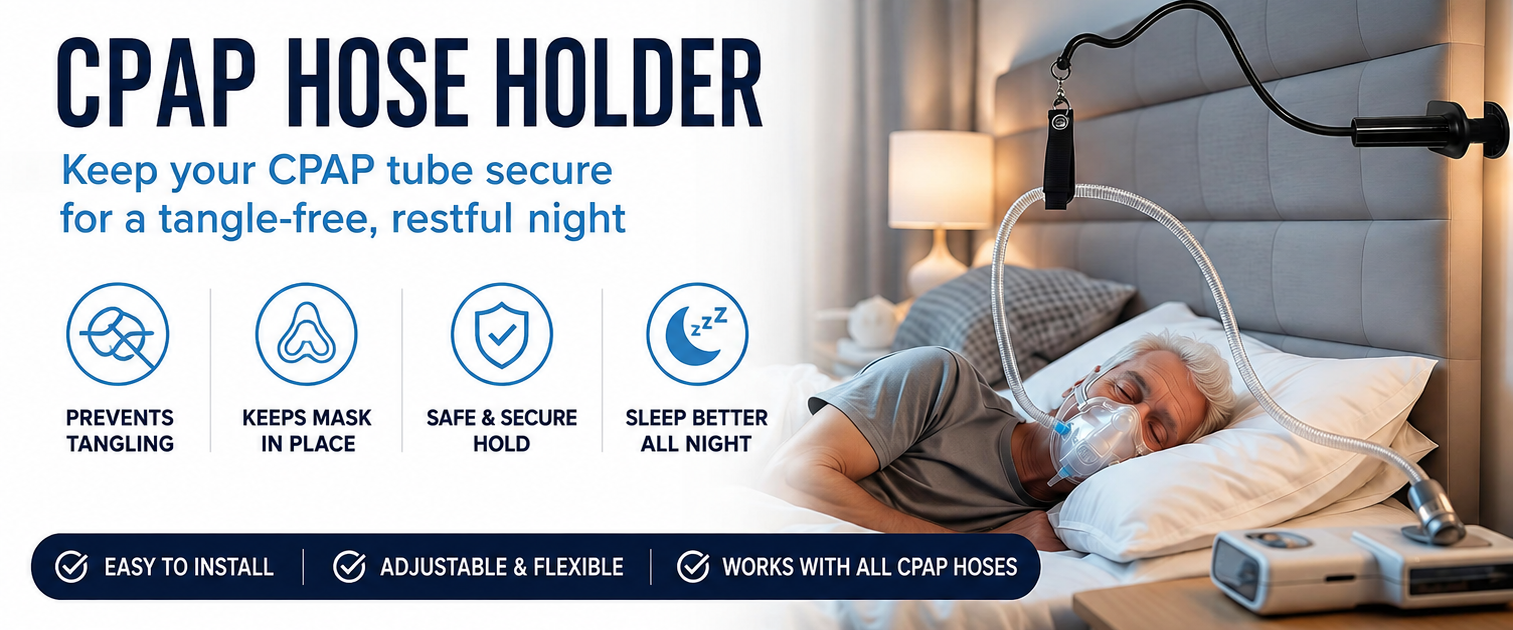
- Route the tubing so it comes from the top of your head rather than the front, if your mask style allows it, to reduce tugging when you roll over
- Clean the cushion daily to remove facial oils that make the seal more likely to slip under pressure
- Replace the cushion on schedule, since a worn cushion is more prone to shifting even with a good pillow setup
Who to talk to
Your respiratory therapist can refit you in your actual sleep position and recommend a mask style built for side or stomach sleeping. Your DME can supply a lower-profile mask or a CPAP pillow if your current setup isn’t holding up through the night. Your sleep doctor should know if the leak from shifting is significant or if it’s affecting your therapy data, since persistent high leak numbers can mean the pressure isn’t being delivered consistently even if you’re wearing the mask the full night.
Evidence
Mask-related leak, which includes leak triggered by movement and shifting, is the most commonly reported side effect among long-term CPAP users, and it has been independently associated with lower nightly adherence. Research comparing mask types has found that interfaces with smaller facial contact area, such as nasal and nasal pillow masks, are associated with better therapy tolerance than bulkier oronasal designs, which supports the practical guidance that a lower-profile mask reduces the surface area available for a pillow to disrupt during movement.
References
- Rotty MC, Suehs CM, Mallet JP, et al. Mask side-effects in long-term CPAP-patients impact adherence and sleepiness: the InterfaceVent real-life study. Respir Res. 2021;22(1):17.
- Borel JC, Tamisier R, Dias-Domingos S, et al. Type of mask may impact on continuous positive airway pressure adherence in apneic patients. PLoS One. 2013;8(5):e64382.